All About Bed Bug Services
Table of ContentsLittle Known Questions About Bed Bug Services.The 6-Minute Rule for Bed Bug ServicesThe 7-Second Trick For Bed Bug Services
Heat treatment is an extremely efficient solutions for eliminating bed bugs from residences and businesses. Unlike chemical sprays that work only on direct contact, thermal methods affects all hiding spots, killing all stages of the infestation in a single session. Learning the process behind heat treatment helps residents make confident choices.The science behind heat treatment is well-studied and reliable. Bed bugs die when exposed to high temperatures. Research indicates that environments reaching 122°F are lethal to bed bugs. For thorough eradication, professionals usually heat the area to 135°F–145°F so that dense furniture and wall voids reach lethal levels. Maintaining the required temperature for several hours ensures that every hiding place is affected.

Bed Bug Services - An Overview
When heaters are deployed, they bring in industrial-grade heaters along with air movers to ensure even heat distribution. Rather than rushing the temperature increase, the heat is gradually increased, to protect belongings and reduces the chance of bed bugs escaping to cooler spots.

After the treatment, heaters are turned off and the area is left to naturally cool. Many companies perform post-treatment inspections and provide detailed reports showing temperatures reached, duration, and recommendations. This documentation offers peace of mind and proves the infestation was treated.
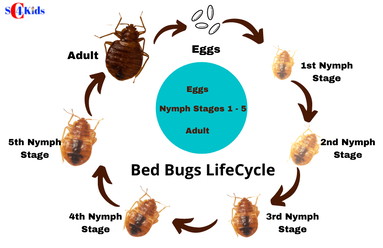
Heat treatment is preferred for many infestations. It is chemical-free, which is perfect for households avoiding chemicals. It is often a one-day solution, allowing businesses to reopen promptly - Bed Bug Services. Heat also eliminates bugs even in unseen spaces. Unlike some methods, the life cycle is fully eradicated, ensuring comprehensive control
How Bed Bug Services can Save You Time, Stress, and Money.
While highly effective, heat treatment has some limitations. It can be a higher upfront investment, particularly in large spaces. Reinfestation is possible if navigate here people bring them in again, so vigilance is necessary. Certain items require removal or protection, and in multi-unit housing, follow-up monitoring is critical.
Many professionals follow heat with inspections and preventive measures to catch any stragglers. Intercepting traps, passive monitors, and selective residual sprays can help verify the treatment’s success.
After treatment, ongoing vigilance matters. Regular inspections of mattresses, upholstery, and closets help catch early signs of activity. Mattress and box spring encasements make inspections easier, while reducing clutter can help maintain control. Being careful with incoming belongings is also important to prevent bed bugs from returning.
Heat treatment remains try this the gold standard for moderate to severe bed bug infestations. It provides a safe and highly efficient method that restores peace of mind. When managed carefully, it kills all life stages without the lingering effects of chemicals, allowing properties to be pest-free quickly.